
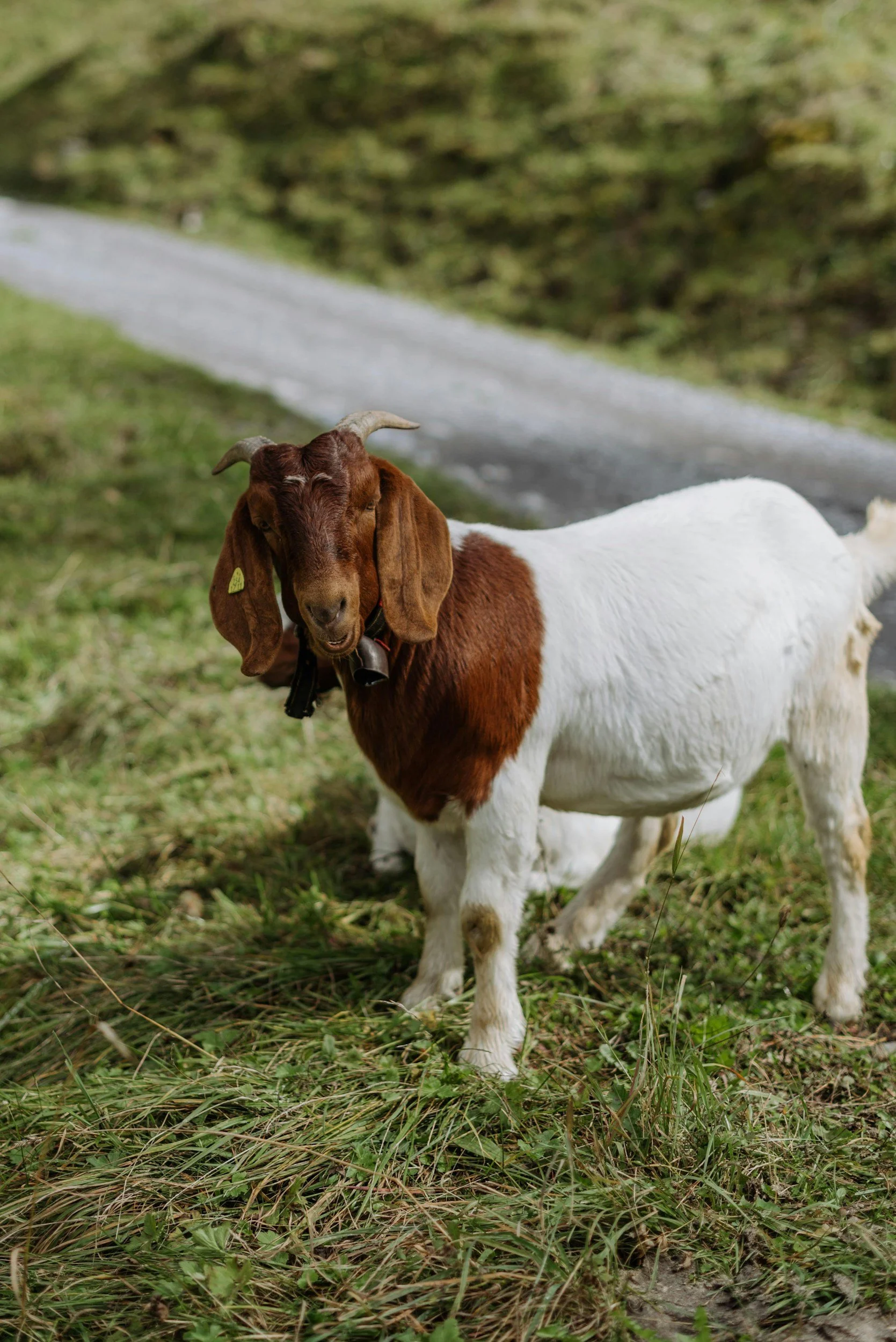
How Much Does It Cost to Raise a Goat in 2026? (USDA-Based Breakdown)
A detailed breakdown of what it actually costs to raise a goat in 2026, including feed, purchase price, and processing expenses. Understand your true cost per head and how rising input prices are impacting profitability.
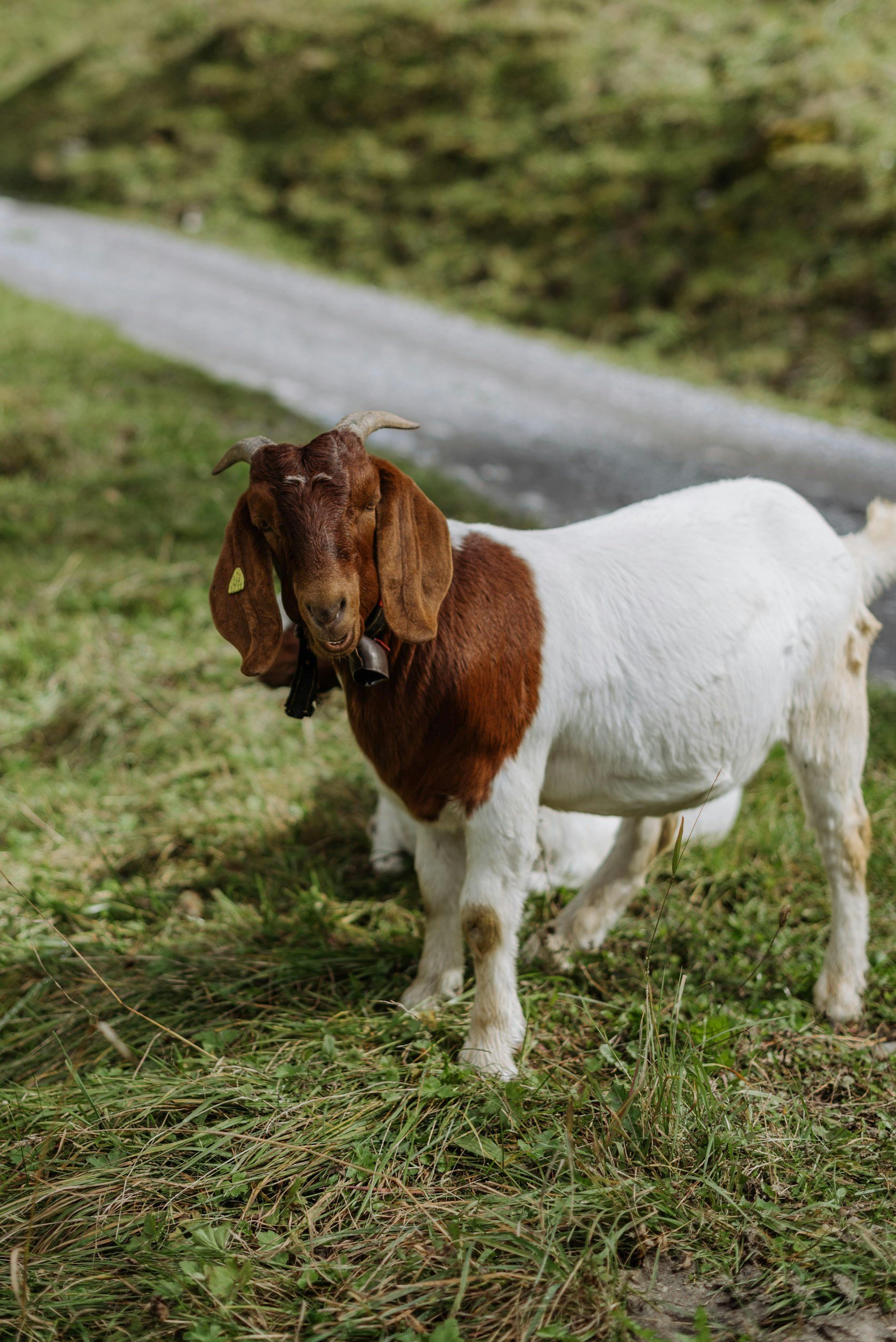
Rising input costs continue to reshape small ruminant production across the United States. In 2026, goat producers are operating in an environment where feed, transportation, and processing costs are increasing faster than many market prices. Understanding total cost per head is no longer optional—it is the foundation of profitability.
Feed Costs and Ration Inputs
Feed remains the largest variable expense in goat production. Based on regional hay market reports and extension estimates, daily feed costs typically fall within the following ranges:
Low-input forage systems: $1.20–$1.50 per head per day
Moderate supplementation: $1.50–$2.00 per head per day
High-energy finishing rations: $2.00–$2.75 per head per day
Over a 90–120 day finishing period, total feed cost per goat commonly ranges from $135 to $330 depending on ration intensity and feed efficiency. Price volatility in feed inputs is closely tied to broader grain markets. Data from USDA and Federal Reserve Economic Data shows sustained upward pressure driven by fertilizer, fuel, and global supply disruptions.
Purchase Price and Entry Costs
Feeder goats are typically purchased based on live weight pricing. Across U.S. auction markets, goats are commonly trading between $2.00 and $3.00 per pound live weight depending on quality and regional demand.
A 60 lb feeder goat generally represents an initial investment of:
$120–$180 per head
Market timing plays a critical role here. Profitability is often determined at purchase, not at sale. Some of you reading this article may see goats sell for cheaper prices. Usually this is due to the goat having underlying health issues. Steer clear of any fixer upper goats as this can cost substantially more in the long run.
Market Pricing for goats can be monitored through USDA Agricultural Marketing Service Reports, which provide weekly data across the country. You may also reference our Market Intelligence platform to view custom price tracking within your region.
Processing and Overhead
USDA-inspected processing costs typically range from:
$120–$180 per head (Excluding value added processing)
Additional expenses include:
Transportation: $10–$30 per head depending on distance
Health and minerals: $10–$25 per head
Mortality and shrink risk: variable but often underestimated
Total Cost Per Head
A realistic cost structure for goat production in 2026:
Purchase: $120–$180, Feed: $135–$330, Processing: $120–$180, Miscellaneous: $20–$50
Total cost per goat typically falls between:
$395 and $740 per head
Market Prices and Margin Pressure
Finished goats in many regional markets are trading between $2.50 and $4.00 per pound live weight. At these levels, profitability depends heavily on:
Feed efficiency
Entry price
Market timing
Even a $0.25 increase in daily feed cost can significantly reduce margin over a full feeding cycle.
Implications for Producers
The current market environment favors producers who:
Track cost per head consistently
Adjust feeding strategies based on price signals
Use breakeven analysis before purchasing livestock
Without accurate cost tracking, producers risk operating at a loss despite strong market prices. Use RuminiQ tools to estimate costs and plan for profitability.